

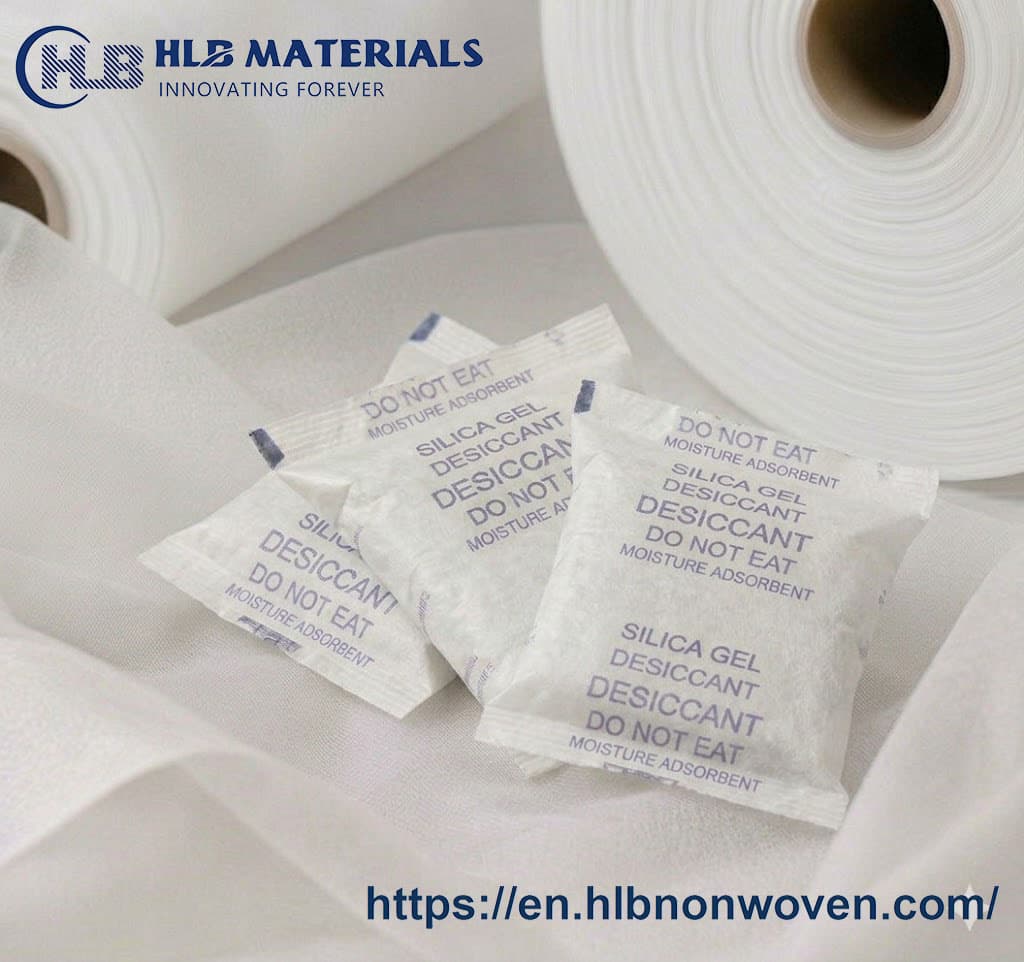
Desiccant Nonwoven Fabric for Moisture Protection Packaging
1.Why Nonwoven Fabric Is an Ideal Material for Desiccant Packaging Bags
Moisture protection plays an important role in product storage and transportation. From food and pharmaceuticals to electronics and industrial products, excessive humidity can affect product quality, shelf life and performance.
As the outer packaging material of desiccant bags, nonwoven fabric needs to provide excellent breathability, strength and sealing performance while ensuring that desiccant particles remain safely contained.
With its unique fiber structure and processing advantages, desiccant nonwoven fabric has become a reliable choice for moisture protection packaging applications.
2.What Is Desiccant Nonwoven Fabric?
Desiccant nonwoven fabric is a specially designed nonwoven material used for manufacturing desiccant packets and moisture absorber bags.
Unlike traditional packaging materials, nonwoven fabric is made by bonding fibers together without weaving. This structure creates a balance between air permeability and mechanical strength, allowing moisture vapor to pass through while preventing desiccant particles from leaking.
Common desiccants packaged with nonwoven materials include:
· Silica gel
· Clay desiccants
· Molecular sieve
· Other moisture absorbing materials
The quality of the nonwoven fabric directly affects the performance, safety and reliability of the final desiccant package.
3.Key Advantages of Nonwoven Fabric for Desiccant Packaging
3.1 Excellent Breathability for Efficient Moisture Absorption
One of the most important requirements for desiccant packaging is effective moisture exchange.
The packaging material needs to allow water vapor to enter the bag so that the desiccant can absorb moisture efficiently. At the same time, it must maintain a stable structure to prevent leakage.
Nonwoven fabric provides:
· Uniform fiber distribution
· Stable air permeability
· Fast moisture transmission
· Consistent absorption performance
This makes it suitable for applications where reliable humidity control is required.
3.2 Strong Structure with Low Risk of Leakage
During transportation and storage, desiccant bags may experience squeezing, vibration and friction. Therefore, packaging materials must have sufficient strength and durability.
High-quality desiccant nonwoven fabric offers:
· Good tensile strength
· Excellent tear resistance
· Low fiber shedding
· Effective particle retention
These properties help keep desiccant materials securely inside the packet while maintaining a clean packaging appearance.
3.3 Heat Sealing Performance for Automatic Packaging
Modern desiccant production often relies on automated packaging equipment. Therefore, the packaging material must provide stable sealing performance.
Heat-sealable nonwoven fabric can offer:
· Strong sealing strength
· Stable processing performance
· Compatibility with automatic packing machines
· Improved production efficiency
For desiccant manufacturers, choosing the right nonwoven material can help reduce production issues caused by poor sealing quality.
3.4 Clean and Safe Material for Sensitive Products
Many moisture-sensitive products require packaging materials with a clean surface and reliable safety performance.
Desiccant nonwoven fabric can be designed for applications including:
· Food packaging
· Pharmaceutical packaging
· Electronics protection
Depending on application requirements, manufacturers can select suitable fiber materials and processing technologies to meet different industry standards.
4.Application Scenarios of Desiccant Nonwoven Fabric
4.1 Food Packaging
Food products are highly sensitive to moisture during storage.
Desiccant packets made with nonwoven fabric are commonly used in:
· Snacks
· Dried food
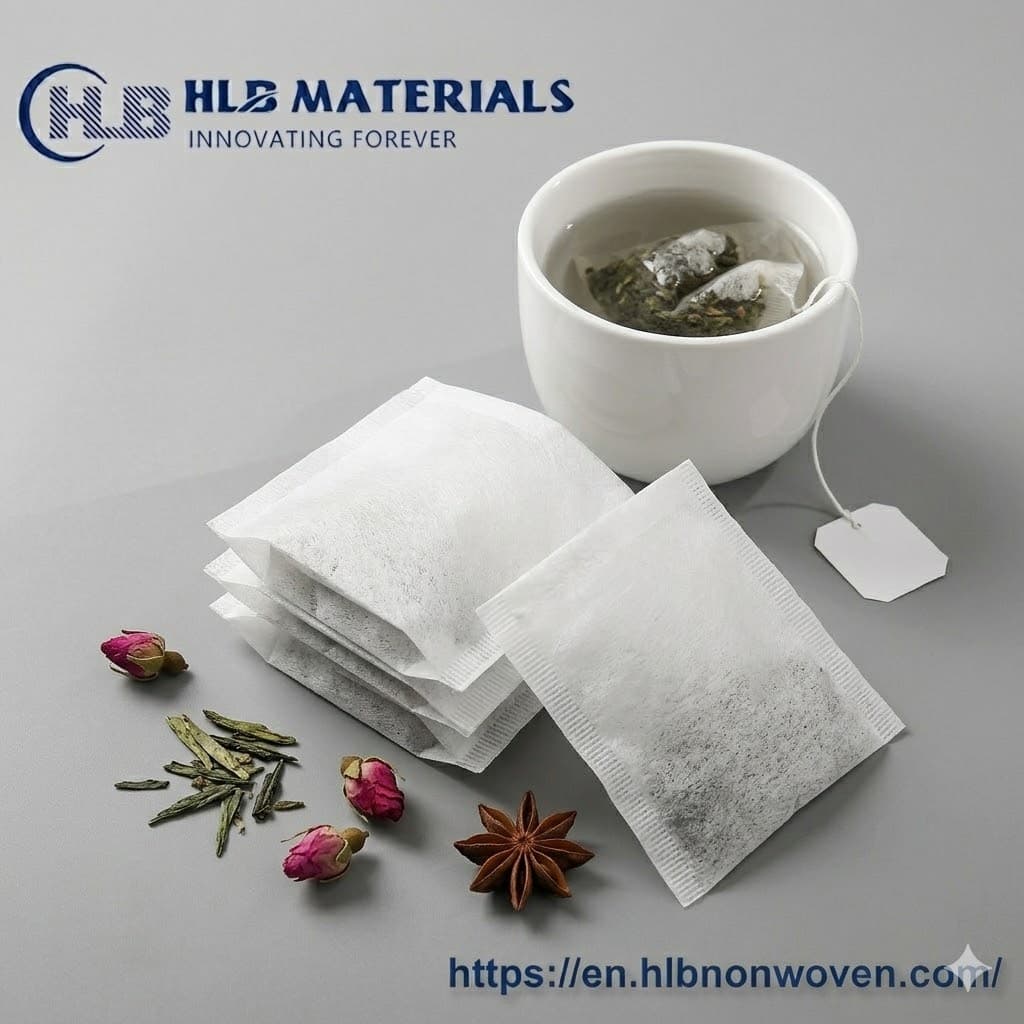
· Tea products
· Supplement packaging
The breathable structure helps maintain a dry environment and extend product shelf life.
4.2 Pharmaceutical Packaging
Medicines and healthcare products often require strict moisture control.
Nonwoven desiccant bags are suitable for:
· Medicine bottles
· Healthcare products
· Moisture-sensitive pharmaceutical packaging
The material provides reliable protection while maintaining cleanliness and safety.
4.3 Electronics Packaging
Electronic components can be damaged by humidity and oxidation.
Desiccant packaging using nonwoven fabric helps protect:
· Electronic components
· Precision parts
· Optical products
The combination of breathability and strength makes nonwoven fabric a practical solution for moisture protection.
How to Choose the Right Nonwoven Fabric for Desiccant Bags?
Selecting the right material is important for ensuring desiccant packaging performance. Several factors should be considered:
5.1 Fiber Material
Different applications may require different fiber compositions, such as:
· PP nonwoven
· PET nonwoven
· Bi-component nonwoven
The material selection depends on requirements for strength, sealing performance and application environment.
5.2 Air Permeability
The nonwoven fabric should provide an appropriate balance between:
· Moisture transmission
· Absorption efficiency
· Particle retention
A suitable air permeability level ensures that the desiccant can work effectively.
5.3 Heat Sealing Compatibility
For automated production, the fabric should match the customer’s sealing process, including:
· Sealing temperature
· Sealing speed
· Sealing strength requirements
5.4 Customized Specifications
Different desiccant applications may require customized solutions, including:
· GSM (fabric weight)
· Thickness
· Width
· Fiber composition
· Surface treatment
Working with an experienced nonwoven manufacturer can help customers achieve better packaging performance.
6. HLB Materials: Your Reliable Desiccant Nonwoven Fabric Supplier
HLB Materials specializes in the development and production of functional nonwoven fabrics for various industrial applications, including desiccant packaging.
With professional manufacturing capabilities and customized material solutions, HLB provides nonwoven fabrics designed to meet different requirements for:
· Breathability
· Strength
· Heat sealing performance
· Clean and stable processing
By choosing the right desiccant nonwoven fabric, manufacturers can improve packaging reliability and provide better moisture protection for their products.
7. Conclusion
Nonwoven fabric plays an important role in modern desiccant packaging. Its combination of breathability, strength, sealing performance and cleanliness makes it an ideal material for moisture protection applications.
For companies producing desiccant bags or moisture absorber products, selecting a reliable nonwoven fabric supplier is essential to achieving consistent quality and performance.
HLB Materials provides customized nonwoven solutions to support customers in developing reliable and efficient desiccant packaging products.
Get Free Sample?
Get free samples or a prompt quotation.Reach out now for a quick quote today!
Click