

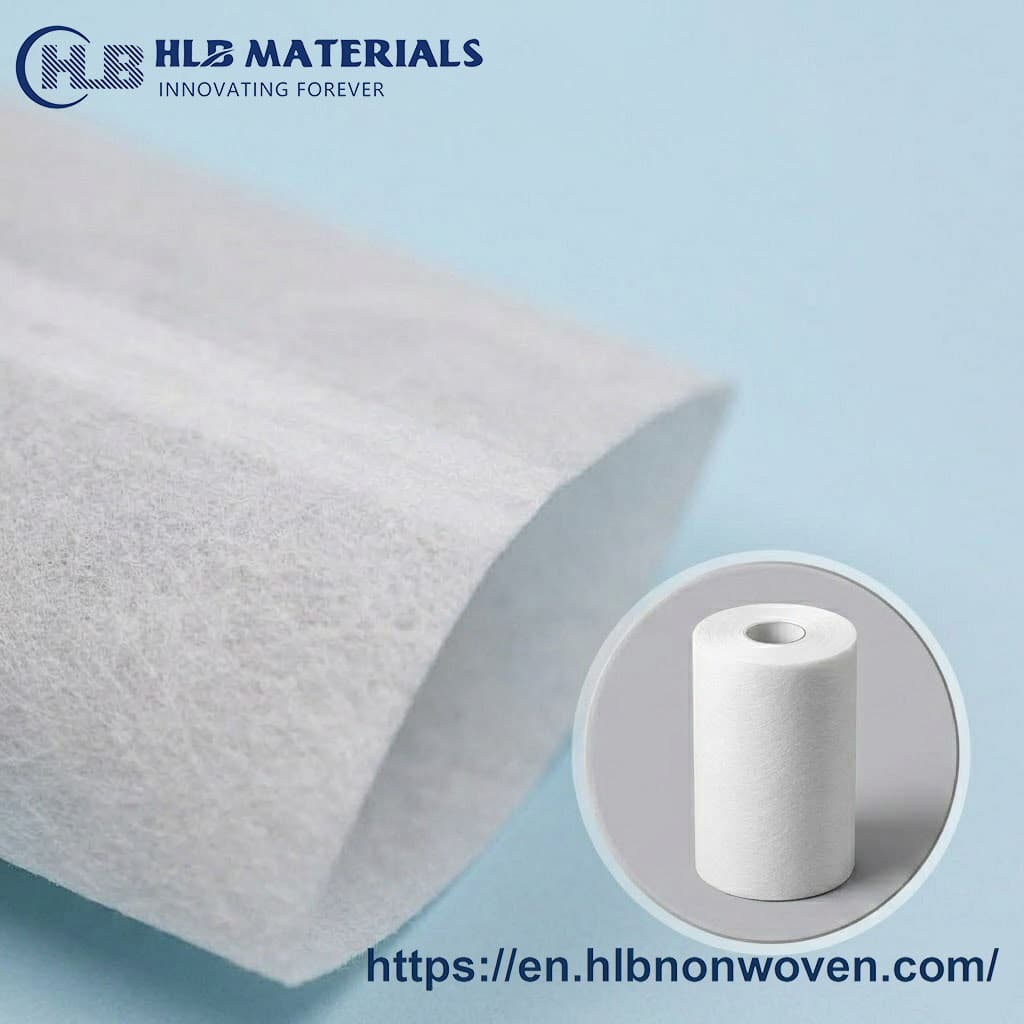
Milk Filtration Nonwoven Fabric: How It Works
Milk filtration is an important step in dairy processing. It helps remove unwanted particles from milk and supports consistent product quality. Nonwoven fabrics are widely used in milk filtration due to their fibrous structure, liquid permeability, and flexible design.
But how does milk filtration nonwoven fabric work, and what should you consider when choosing the right material?
What Is Milk Filtration Nonwoven Fabric?
Milk filtration nonwoven fabric is a filtration material made from fibers bonded together through mechanical, thermal, or other suitable processes.
Unlike woven fabrics, nonwovens feature an interconnected fiber network that creates filtration pathways. This structure allows milk to pass through while retaining suspended impurities.
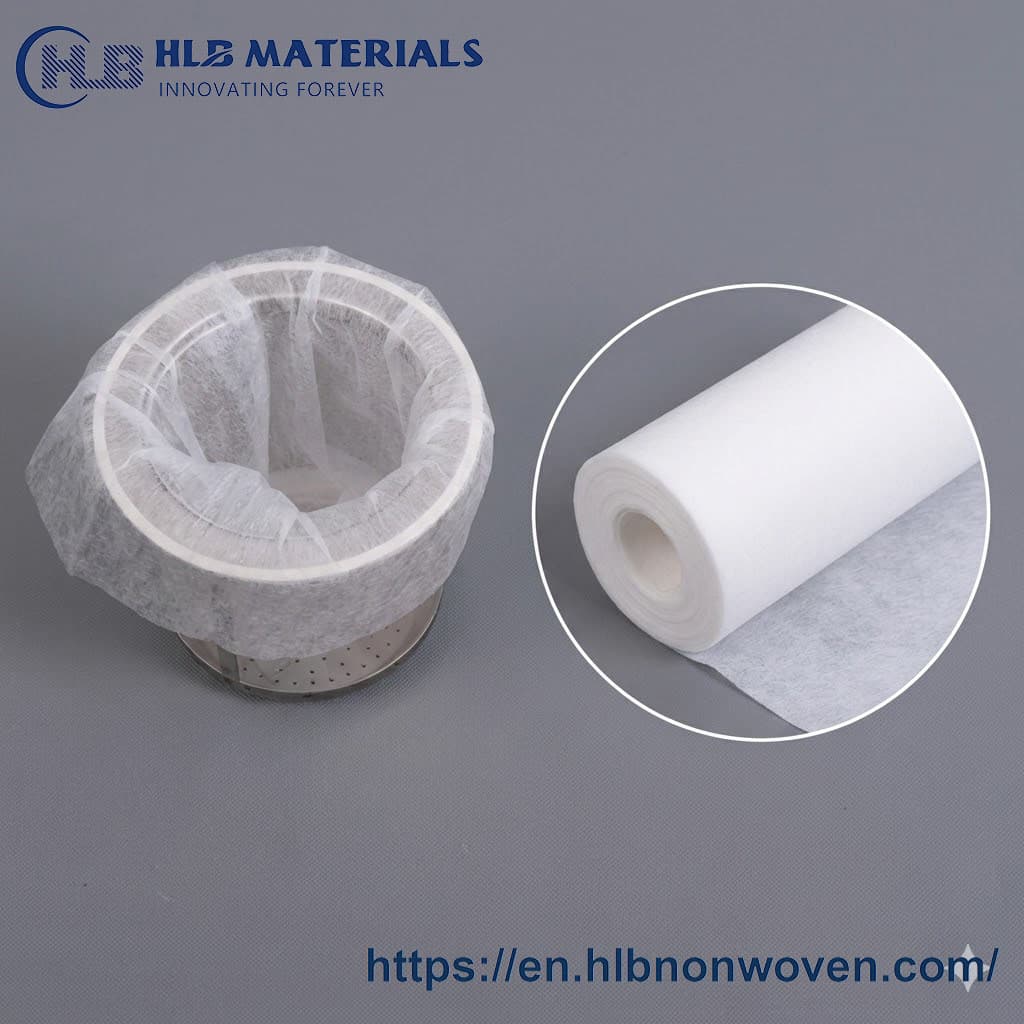
Depending on the application, nonwoven materials can be converted into filter bags, sheets, sleeves, and other customized filtration products.
How Does Nonwoven Fabric Filter Milk?
Milk filtration is primarily a physical separation process.
When milk passes through the nonwoven fabric, the fiber network captures unwanted particles such as dirt, hair, and other suspended foreign matter. The filtered milk then flows through to the next processing stage.
The filtration performance depends on the fabric structure, fiber characteristics, pore distribution, and operating conditions.
It is important to note that conventional nonwoven milk filters are mainly designed for particle removal. They do not replace pasteurization or specialized membrane filtration processes.
Key Properties of Milk Filtration Nonwoven Fabric
A suitable milk filtration nonwoven fabric should balance several important properties.
Particle Retention: A well-designed fiber structure helps capture unwanted particles and supports effective filtration.
Liquid Permeability: Good permeability allows milk to flow through the material efficiently while maintaining the required filtration performance.
Wet Strength: The material should maintain its structural integrity when exposed to milk and during filtration.
Consistent Quality: Uniform fiber distribution, thickness, and basis weight help support stable filtration performance.
Food-Contact Suitability: Materials intended for direct contact with milk should meet the applicable food-contact requirements for their intended use.
How to Choose the Right Milk Filter Material
Different dairy applications require different filtration solutions.
When selecting milk filtration nonwoven fabric, manufacturers should consider the intended filtration purpose, required particle retention, milk flow rate, equipment design, and operating conditions.
Fiber composition, fabric weight, thickness, and pore structure are also important factors.
The right material should provide a balance between filtration efficiency, liquid permeability, and structural stability.
Nonwoven Filtration in the Dairy Industry
Nonwoven filtration materials are used in various dairy applications, including raw milk straining, milk collection, and preliminary filtration.
They help remove suspended foreign particles before milk enters subsequent processing stages.
For more specialized applications, membrane filtration technologies such as microfiltration and ultrafiltration may be used for microbial reduction or milk component separation.
Understanding these differences helps dairy manufacturers select the appropriate filtration material for each processing stage.
Customized Nonwoven Solutions for Milk Filtration
Every dairy processing application has its own requirements.
At HLB, we specialize in nonwoven material development and manufacturing for a wide range of industrial applications.
Our manufacturing capabilities support customized nonwoven solutions based on specific application requirements, including fiber composition, fabric weight, thickness, and material structure.
By understanding your filtration needs, we can explore suitable nonwoven materials for your application.
Conclusion
Milk filtration nonwoven fabric plays an important role in removing unwanted particles and supporting efficient dairy processing.
Selecting the right material requires careful consideration of filtration performance, liquid permeability, wet strength, and food-contact suitability.
Looking for a nonwoven material for milk filtration?
Contact HLB to discuss your application requirements and explore customized nonwoven solutions.
Get Free Sample?
Get free samples or a prompt quotation.Reach out now for a quick quote today!
Click