

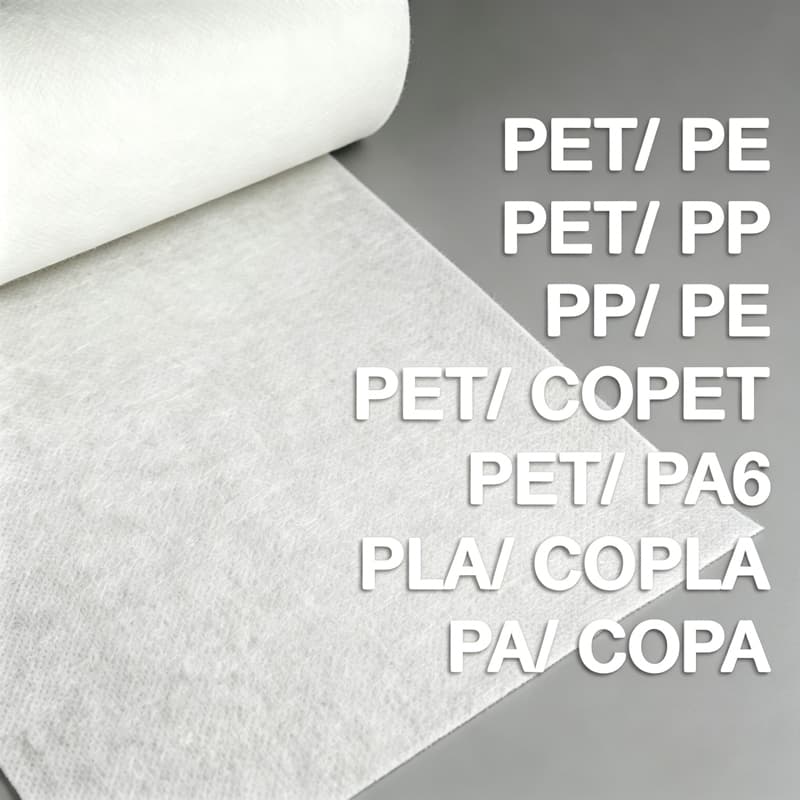
What is Bi-Component Nonwoven?
What is Bi-Component Nonwoven?
During manufacturing two polymers jointly extrude to create one fiber. The resulting fiber demonstrates better mechanical properties together with enhanced thermal and chemical performance depending on the application area.
Sheath/Core Configurations
The sheath/core structure represents the most typical bi-component structure because it features a central core enclosed by an outer sheath.
The outer sheath consists of a low-melting polymer material which functions for thermal bonding and sealing operations.
The central core consists of high-melting polymer material which provides strength and durability.
Side-by-Side Configurations
Two polymers are arranged side by side, offering balanced performance and stable structure.
Segmented Configurations
Fibers are divided along the axis into segments, providing diverse material characteristics and more functions.
Functional Properties and Treatment Options
HLB's bi-component nonwoven fabrics come with customizable features, including:
Heat sealability for efficient bonding in automated production lines.
Hydrophilic treatments to enhance moisture absorption, ideal for wipes and medical products.
Additional functional treatments can be tailored based on your specific application or industry requirements.
Industrial Applications of Bi-Component Nonwovens
Thanks to their structural versatility and functional flexibility, bi-component nonwoven fabrics are widely used in:
Foodpacking – Tea Bag, Drip Coffee, Fruits & Vegetables package
Healthcare – Surgical gowns and drapes.
Filtration – high-efficiency air and liquid filters.
Hygiene – baby diapers, adult incontinence products, and feminine care.
Wipes – soft, strong, and absorbent fabrics for both personal and institutional use.
Automotive – insulation and sound-absorbing components.
Frequently Asked Questions (FAQ)
1. What are bi-component fibers and how do they differ from regular fibers?
Bi-component fibers are made from two different polymers combined into a single fiber structure. Unlike traditional monocomponent fibers, bi-component fibers offer enhanced mechanical, thermal, and chemical performance by leveraging the distinct properties of each polymer.
2. Which industries benefit most from bi-component nonwovens?
Bi-component fabrics are widely used in household, healthcare, hygiene, filtration, wipes, automotive industries. Their versatility makes them suitable for both technical and consumer-based applications.
3. Can HLB customize bi-component fabrics for specific needs?
Yes. HLB provides custom treatment options such as hydrophilic coatings, and thermal bonding capabilities to meet unique customer requirements.
4. What makes HLB a reliable supplier of bi-component nonwoven fabrics?
HLB combines advanced production technology with a customer-focused approach. With decades of experience and a strong commitment to innovation, HLB delivers consistent, high-quality bi-component solutions tailored to global market needs.
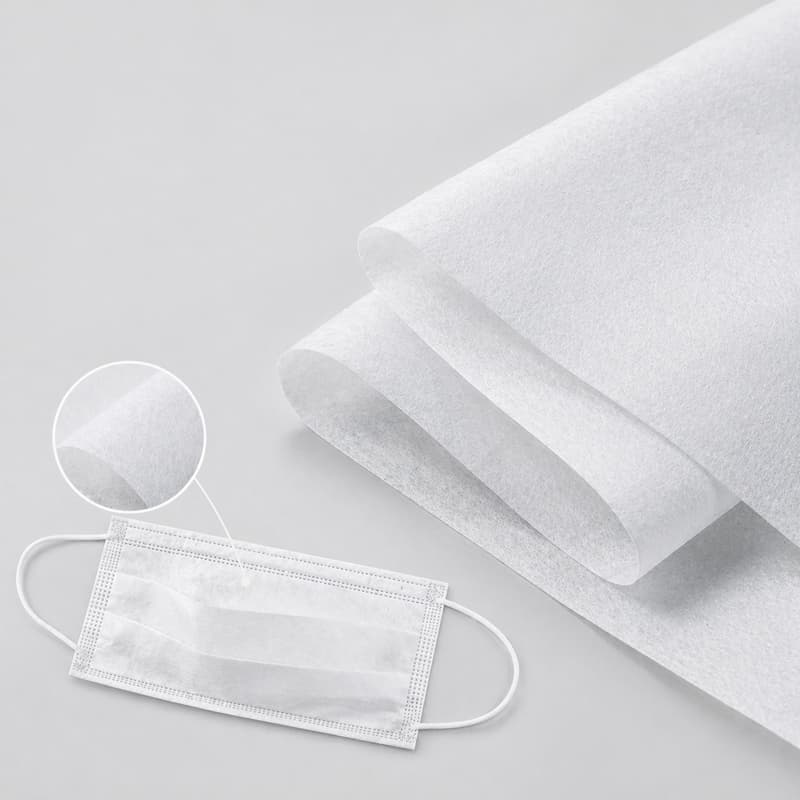

Get Free Sample?
Get free samples or a prompt quotation.Reach out now for a quick quote today!
Click